Anesthesia plays a pivotal role in pet euthanasia, ensuring a peaceful & pain-free transition for beloved companions. Understanding the use of anesthesia in this process is crucial for pet owners seeking compassionate end-of-life care for their furry friends.
What is Anesthesia for Pet Euthanasia?
Veterinarians use anesthesia to make pets unconscious and provide pain relief during euthanasia procedures, ensuring a peaceful and comfortable passing. By depressing the central nervous system, anesthesia ensures that pets remain calm and unaware during the procedure. Typically, anesthesia is delivered through injection, providing swift and effective sedation.
Applications of Anesthesia in Pet Euthanasia
Anesthesia is essential for facilitating a humane and dignified end-of-life experience for pets. It enables veterinarians to administer euthanasia medications smoothly and without causing any pain or distress to the pet. By inducing a state of unconsciousness, anesthesia ensures that pets peacefully drift away without experiencing fear or discomfort.
Benefits of Anesthesia in Euthanasia
The use of anesthesia in pet euthanasia provides several key benefits. It ensures that pets remain calm and relaxed throughout the process, allowing for a gentle and dignified farewell. Anesthesia also minimizes any potential distress or anxiety, providing both pets and their owners with a sense of peace during this difficult time.
Considerations for Pet Owners
While anesthesia is generally safe for pet euthanasia, pet owners need to discuss any concerns or questions with their veterinarian beforehand. Veterinarians will explain the process in detail, address any worries, and ensure pet owners are fully informed and comfortable with the procedure.
Ensuring Comfort and Dignity
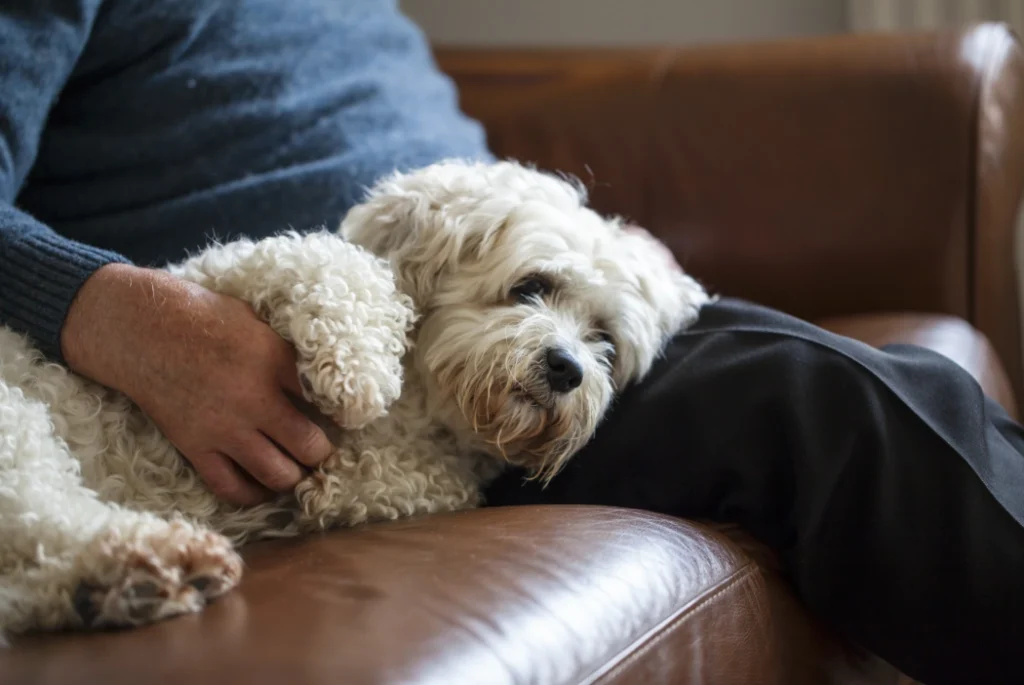
Delving into the significance of ensuring pets’ comfort and dignity during euthanasia, we prioritize creating a serene and familiar environment. When someone is upset or anxious, one way to help them feel better is to offer gentle petting, use soothing words, or make other comforting gestures. It’s paramount that the euthanasia process is conducted with the utmost respect and care, ensuring a peaceful transition for the beloved companion.
Family Participation & Support
Involving family members in the euthanasia process is invaluable. It allows for final goodbyes, sharing cherished memories, and providing emotional support to both the pet and each other during this challenging time. Guiding families through how to cope with grief and support one another post-loss is crucial for navigating the loss of a beloved pet.
Aftercare & Memorialization
Following pet euthanasia, aftercare and memorialization play vital roles in healing. Options such as pet cremation or burial, creating memorial tributes or keepsakes, and seeking support from pet loss support groups or counselors aid in coping with grief and finding closure after saying goodbye to a cherished companion.
Conclusion
In conclusion, anesthesia plays a vital role in pet euthanasia, ensuring a humane and compassionate end-of-life experience for beloved companions. If you’re thinking about euthanizing your pet, rest assured that the veterinarian will administer anesthesia to ensure a pain-free and peaceful passing. For compassionate in-home euthanasia services, consider reaching out to Peacefully at Home for support and assistance during this emotional time.
FAQ
Is anesthesia necessary for pet euthanasia?
Yes, anesthesia is essential for pet euthanasia as it ensures a pain-free and peaceful transition for pets. It induces a state of unconsciousness, allowing veterinarians to administer euthanasia medications smoothly and without causing distress.
How does anesthesia benefit pet euthanasia?
Anesthesia ensures that pets remain calm, relaxed, and unaware during the euthanasia process, providing a gentle and dignified farewell. It minimizes any potential distress or anxiety, ensuring a peaceful end-of-life experience.
Are there any risks associated with anesthesia in pet euthanasia?
While anesthesia is generally safe for pet euthanasia, there may be some minor risks. However, veterinarians take necessary precautions to minimize these risks and ensure a secure and comfortable pet procedure.