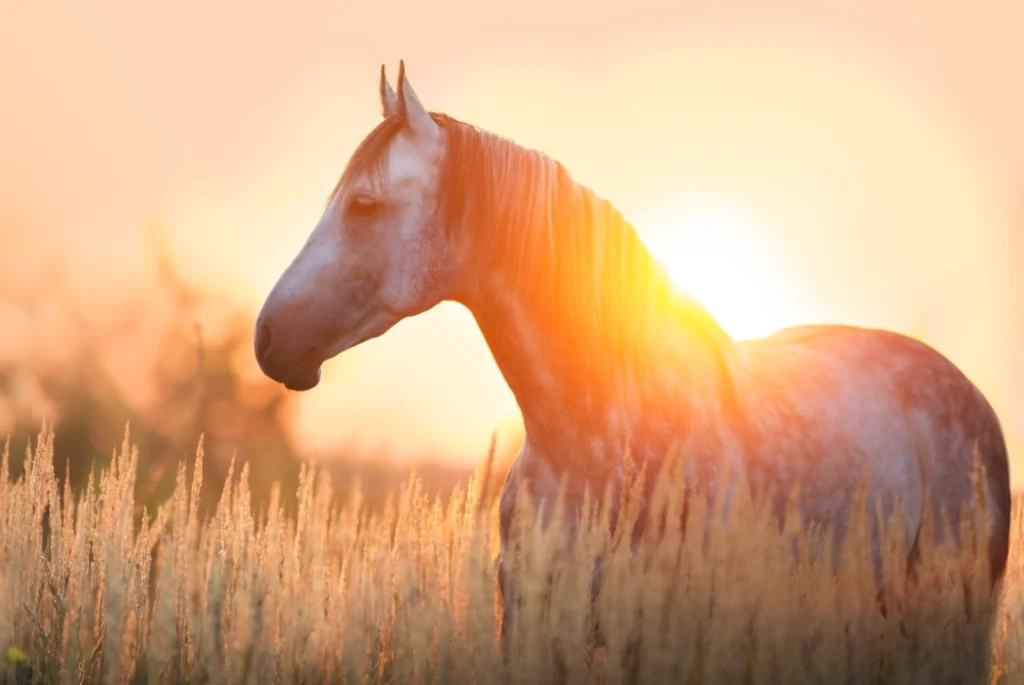
Facing the decision to euthanize a beloved horse is a complicated and emotional process for any horse owner. Whether due to old age, severe illness, or injury, euthanasia is often considered the most humane option to prevent further suffering. In this guide, we’ll discuss how to handle equine euthanasia with compassion, dignity, and respect.
Unpacking Equine Euthanasia
Before delving into the practical aspects, it’s essential to understand what equine euthanasia entails. Euthanasia is the deliberate and painless ending of a horse’s life, typically performed by administering a lethal injection of medication. The goal is to ensure a peaceful and dignified passing, free from distress or suffering.
Making the Decision
Deciding to euthanize a horse is never easy, but it’s crucial to prioritize the horse’s welfare above all else. Consultation with a trusted veterinarian is essential in evaluating the horse’s condition and quality of life. Consider factors such as chronic pain, inability to stand or walk, severe injury, or terminal illness when making this difficult decision.
Preparing for the Euthanasia
Once the decision is made, it’s essential to prepare both emotionally and logistically for the euthanasia process. Notify all involved parties, including barn staff, family members, and others who wish to be present. Ensure that the euthanasia location is quiet, calm, and free from distractions to minimize stress for the horse.
Choosing a Veterinarian
Selecting a veterinarian experienced in equine euthanasia is crucial. Discuss your wishes and concerns with the vet beforehand, ensuring they understand your desire for a peaceful and dignified process. Ask about the procedure, including sedation options, euthanasia medications, and aftercare arrangements.
The Euthanasia Procedure
On the day of euthanasia, remain calm and composed to provide comfort to your horse. The procedure typically begins with sedation to relax the horse and alleviate any anxiety or discomfort. Once sedated, the veterinarian will administer the euthanasia medication intravenously, leading to a rapid and painless passing. Stay by your horse’s side throughout the process, offering reassurance and comfort until the end.
Aftercare and Bereavement
After the euthanasia, it’s essential to consider aftercare options for your horse’s remains. You may choose burial on your property, cremation, or other arrangements based on your preferences and local regulations. Take time to grieve and process your emotions, seeking support from friends, family, or equine grief counselors if needed. Remember that feeling sadness and loss is okay; honoring your emotions is an essential part of the healing process.
Honoring Your Horse’s Legacy
After euthanasia, take the time to honor and celebrate your horse’s life and legacy in meaningful ways. Consider holding a memorial service or gathering with friends and family to share stories, memories, and reflections about your horse. Planting a tree or creating a memorial garden in your horse’s honor can provide a lasting tribute to their memory. Additionally, consider donating to a horse rescue or equine charity in your horse’s name as a meaningful way to honor their life and legacy.
Seeking Closure and Support
In the days and weeks following euthanasia, prioritize seeking closure and support as you navigate the grieving process. Allow yourself to experience and express your emotions openly, whether it’s through tears, laughter, or quiet reflection. Lean on your support network for comfort and understanding, and don’t hesitate to reach out to equine grief counselors or support groups for additional guidance and support. Remember that healing takes time, and it’s okay to take things one day at a time as you adjust to life without your beloved horse.
Conclusion
Handling equine euthanasia is undoubtedly a difficult and emotional journey for any horse owner. However, approaching the process with compassion, dignity, and respect can ensure a peaceful and humane end to your horse’s life. Remember that you’re not alone in this journey; lean on your support network and seek guidance from knowledgeable professionals to navigate this difficult time with grace and love. If you’re facing the decision of equine euthanasia and need compassionate support, reach out to Peacefully at Home for assistance.
FAQ
Is equine euthanasia painful for the horse?
A trained veterinarian must administer medications to induce rapid unconsciousness and cessation of bodily functions to perform equine euthanasia. This process is painless and humane for the horse.
How do I know when it’s time to euthanize my horse?
Deciding when to euthanize a horse can be challenging. Still, factors such as chronic pain, severe injury, terminal illness, or a significantly reduced quality of life may indicate that euthanasia is the most compassionate option. Consultation with a trusted veterinarian is crucial in evaluating your horse’s condition and making this difficult decision.
What happens to my horse’s remains after euthanasia?
After euthanasia, you have several options for your horse’s remains, including burial, cremation, or other arrangements based on your preferences and local regulations. Your veterinarian or a local equine facility can guide you through aftercare options.
How can I cope with the loss of my horse after euthanasia?
Coping with the loss of a beloved horse can be challenging, but it’s essential to allow yourself time to grieve and seek support from friends, family, or equine grief counselors. Remembering the positive memories shared with your horse and honoring their life can help in the healing process.